
Maritime Technology Trends
Maritime Technology Trends
The maritime industry is undergoing significant transformations driven by advancements in technology. These innovations are enhancing operational efficiency, safety, and sustainability in the sector. Here are some key trends shaping the future of maritime technology:
1. Autonomous VesselsAutonomous ships are a groundbreaking development in maritime technology. These vessels use advanced sensors, artificial intelligence (AI), and machine learning to navigate without human intervention. Benefits include:
Reduced Human Error: Minimizing accidents caused by human error.
Operational Efficiency: Continuous operation without the need for crew rest periods.
Cost Savings: Lower labor costs and potentially reduced insurance premiums.
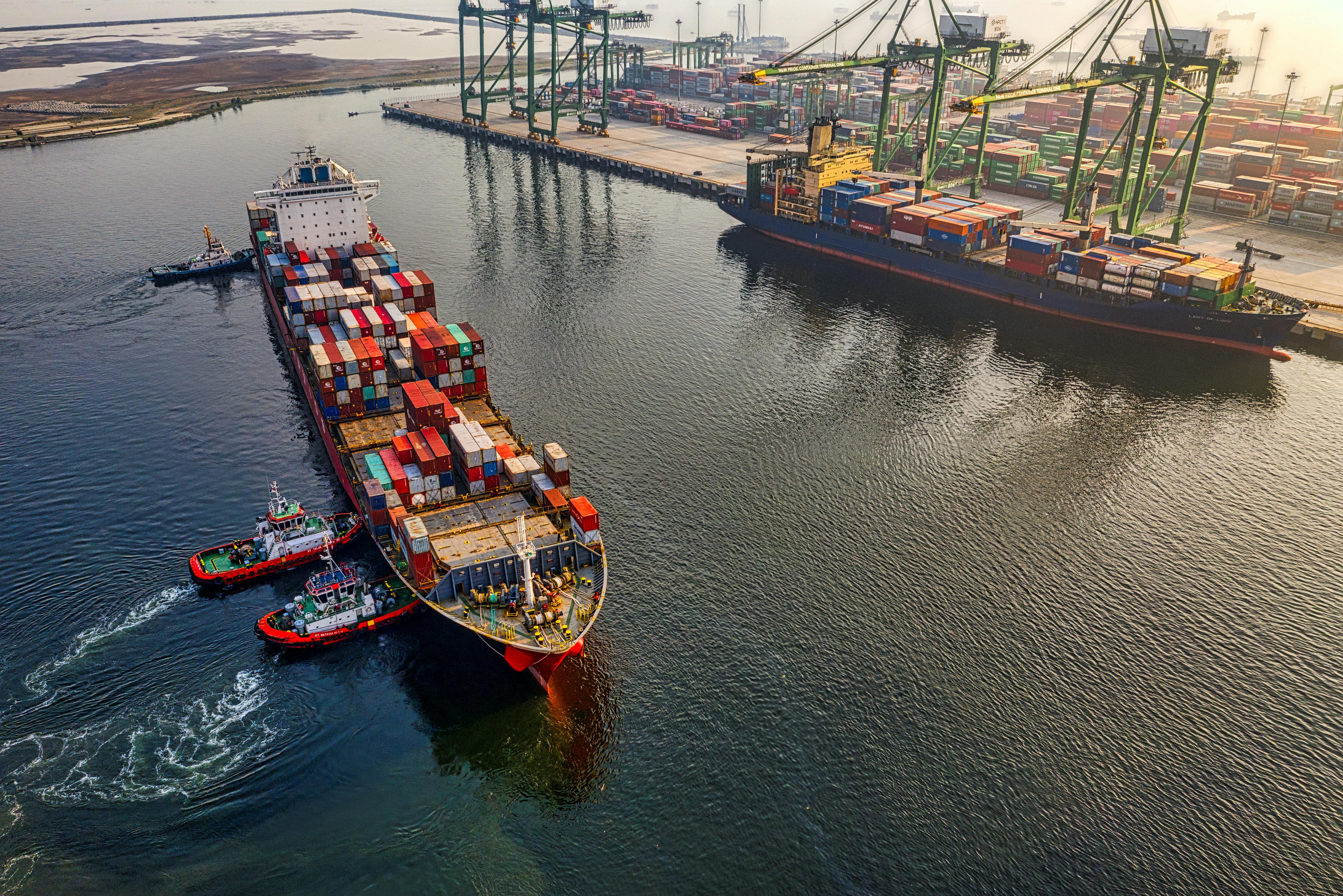
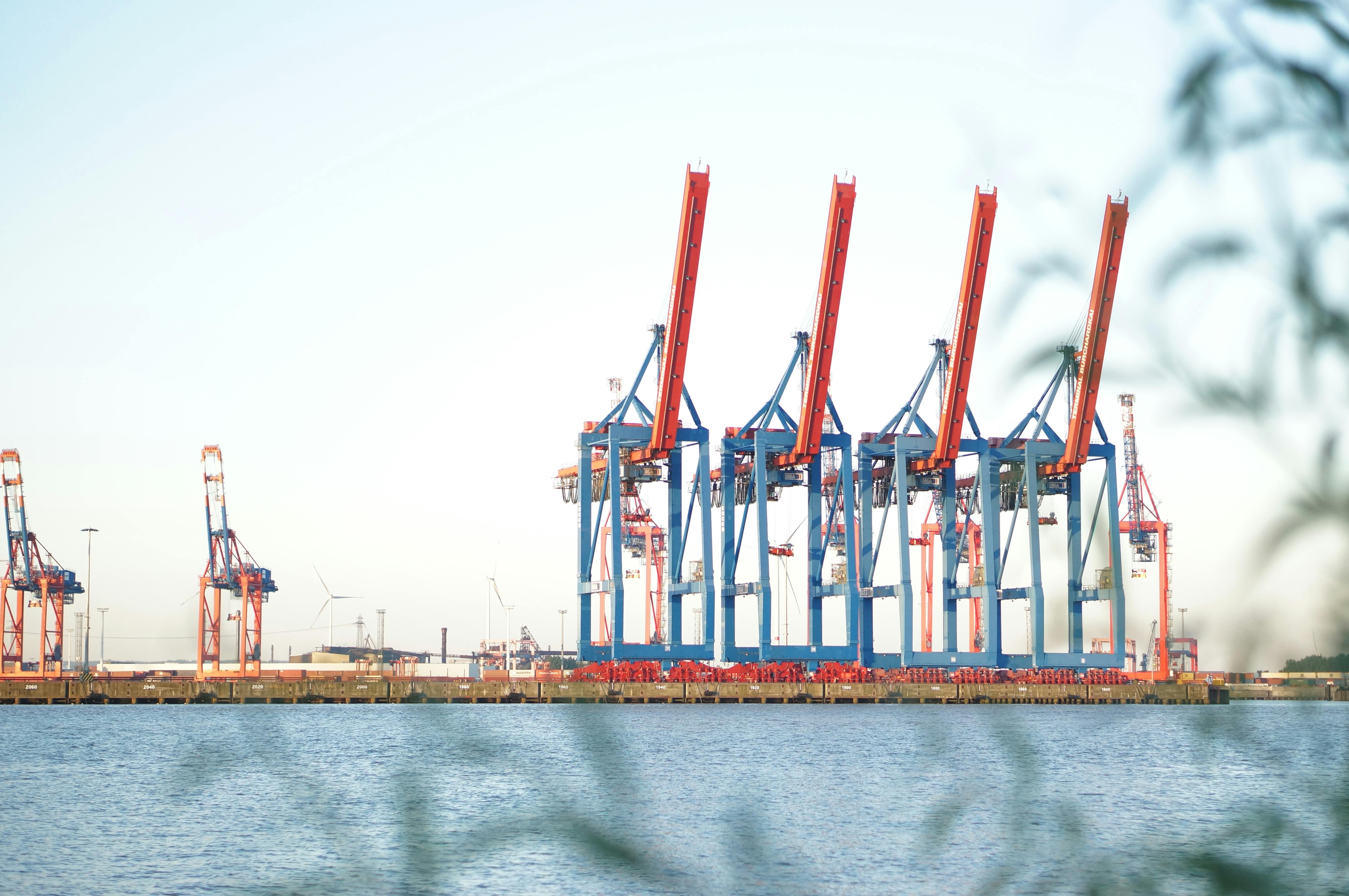
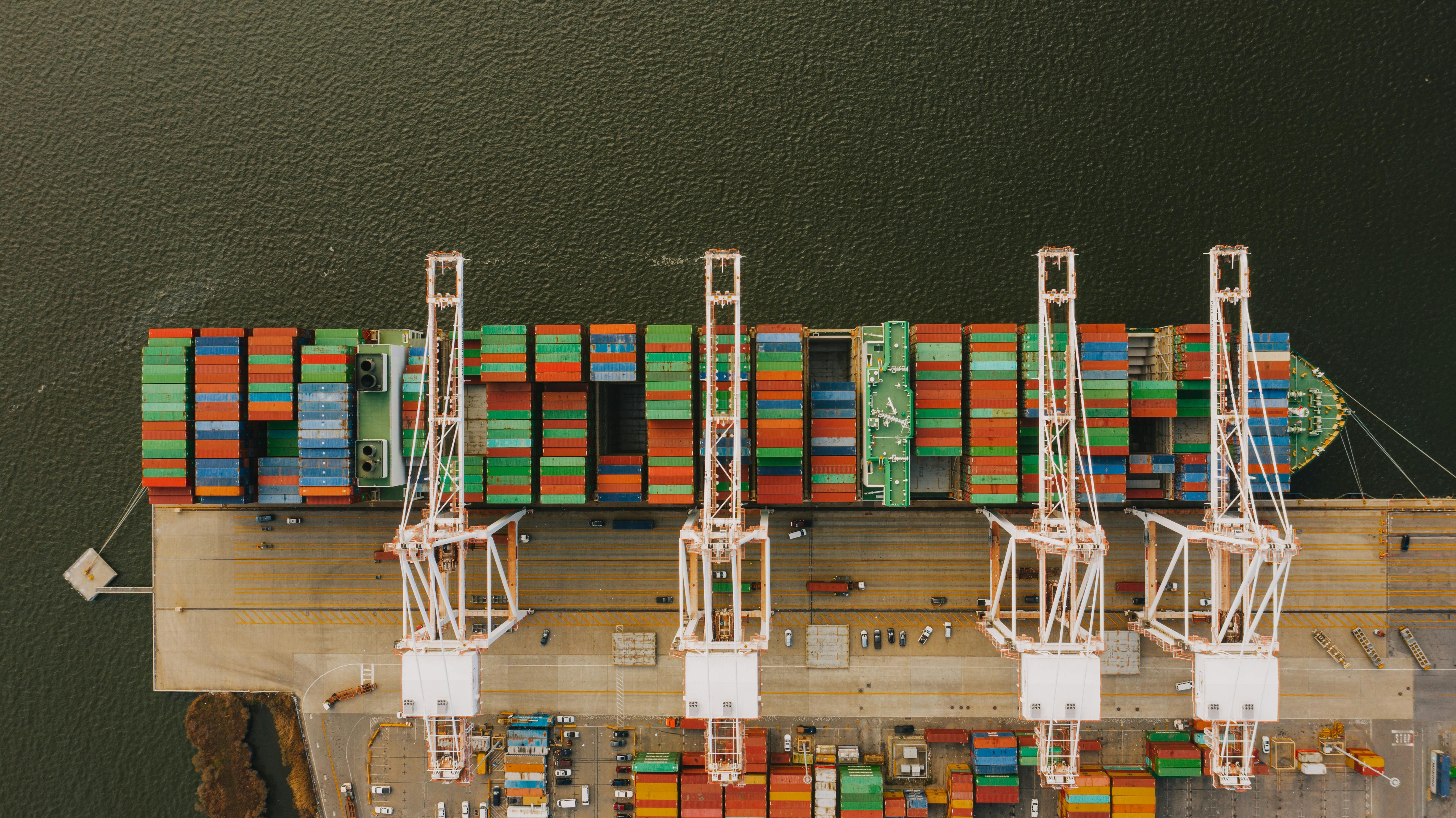
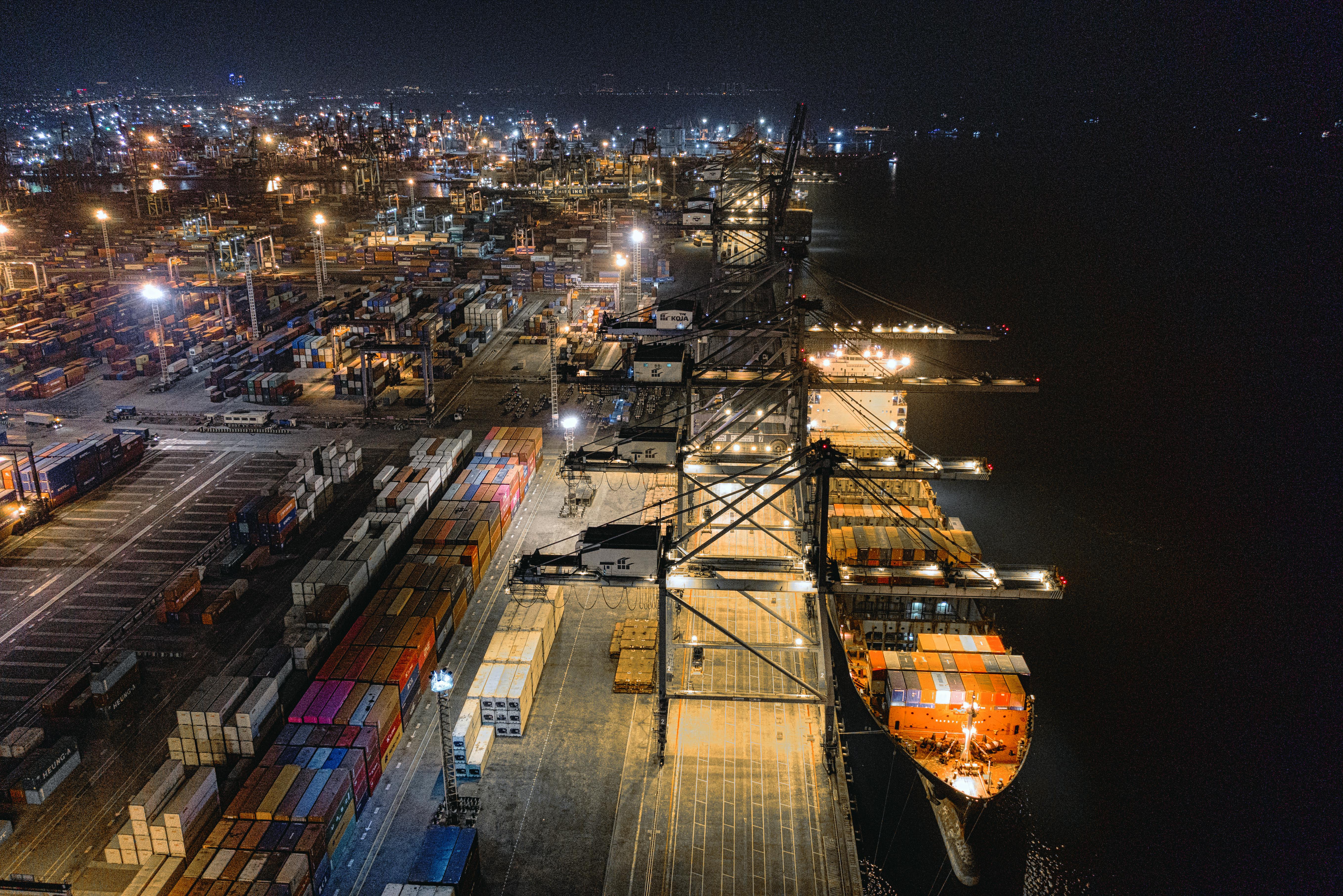
2. Smart PortsSmart ports utilize Internet of Things (IoT) devices, AI, and big data to streamline port operations. Key features include:
Automated Cargo Handling: Robotics and automation to improve loading and unloading processes.
Predictive Maintenance: IoT sensors monitor equipment health to predict and prevent failures.
Traffic Management: AI-driven systems manage vessel traffic to optimize docking schedules and reduce congestion.
3. Sustainable ShippingSustainability is a major focus in maritime technology, driven by environmental regulations and industry initiatives. Innovations include:
Alternative Fuels: Development of cleaner fuels such as LNG, hydrogen, and biofuels.
Energy Efficiency: Use of energy-efficient technologies like air lubrication systems and hull modifications to reduce fuel consumption.
Emission Reduction: Implementation of scrubbers and selective catalytic reduction systems to reduce sulfur and nitrogen oxides emissions.
4. Digitalization and Data AnalyticsDigitalization is transforming how maritime operations are managed, with data analytics playing a crucial role. Examples include:
Fleet Management Software: Real-time tracking and management of vessels to optimize routes and reduce costs.
Predictive Analytics: Using historical data to predict maintenance needs and prevent breakdowns.
Blockchain: Enhancing transparency and security in supply chain management.
5. CybersecurityAs maritime systems become more digital, cybersecurity is a growing concern. Measures being implemented include:
Cyber Risk Management: Comprehensive strategies to identify and mitigate cyber threats.
Training and Awareness: Regular training for crew and staff on cybersecurity best practices.
Advanced Security Solutions: Use of firewalls, intrusion detection systems, and encryption to protect data and systems.
6. Augmented Reality (AR) and Virtual Reality (VR)AR and VR technologies are being adopted for various applications in the maritime industry, including:
Training and Simulation: VR simulations for crew training, providing realistic scenarios without the risks associated with live training.
Maintenance and Repair: AR tools to overlay technical information and guides during maintenance tasks, improving accuracy and efficiency.
Navigation Assistance: AR displays providing real-time navigation data to enhance situational awareness for crew members.
7. Advanced Propulsion SystemsInnovations in propulsion systems are enhancing vessel performance and reducing environmental impact. Key advancements include:
Electric Propulsion: Hybrid and fully electric propulsion systems for reduced emissions and improved efficiency.
Wind-Assisted Propulsion: Technologies such as rotor sails and kite sails to harness wind power and reduce fuel consumption.
Hydrodynamic Improvements: Optimized hull designs and propeller enhancements to improve fuel efficiency and vessel speed.
8. 3D Printing3D printing is revolutionizing the production of spare parts and equipment in the maritime industry. Benefits include:
On-Demand Production: Ability to produce parts as needed, reducing inventory costs.
Customization: Manufacture customized components tailored to specific vessel requirements.
Speed and Efficiency: Rapid production of parts, minimizing downtime during repairs.
Conclusion
The maritime industry is on the cusp of a technological revolution, with advancements across various domains promising to enhance efficiency, safety, and sustainability. Embracing these trends will be crucial for maritime stakeholders to stay competitive and meet the evolving demands of the global shipping industry.