
Efficient Ship Maintainance Tips
Efficient Ship Maintainance Tips
Maintaining a ship efficiently involves a combination of regular inspections, preventive maintenance, and strategic planning. Below are detailed tips to ensure the longevity and optimal performance of your vessel:

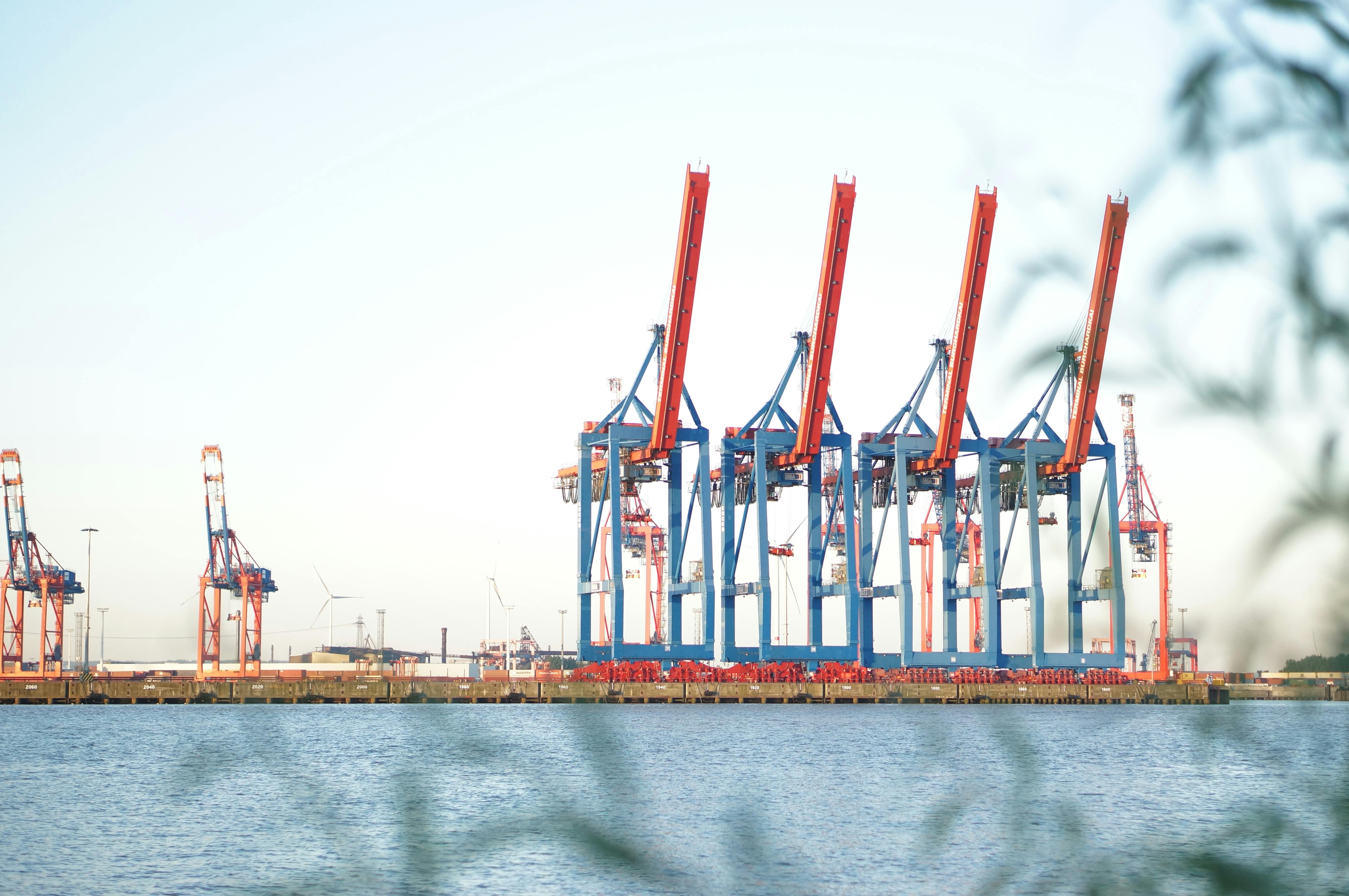

1. Regular Inspections
Conducting regular inspections is crucial to identifying potential issues before they become significant problems. Key areas to inspect include:
Hull: Look for signs of corrosion, cracks, or biofouling.
Machinery: Check for unusual noises, vibrations, or leaks.
Safety Equipment: Ensure all safety gear is in working order and within its service life.
2. Preventive Maintenance Preventive maintenance involves routine tasks to keep the ship in good working condition and prevent unexpected breakdowns. Important tasks include:
Lubrication: Regularly lubricate moving parts to reduce friction and wear.
Engine Maintenance: Change oil, filters, and coolant as per the manufacturer’s guidelines.
Electrical Systems: Inspect and clean electrical connections to prevent corrosion and short circuits.
3. Hull Cleaning and Anti-Fouling Keeping the hull clean and applying anti-fouling coatings can significantly improve fuel efficiency and reduce the risk of damage from marine organisms. Steps include:
Regular Cleaning: Use high-pressure water jets or divers to remove biofouling.
Anti-Fouling Paint: Apply anti-fouling paint to the hull to prevent the growth of algae and barnacles.
4. Condition Monitoring Use condition monitoring tools to track the performance and condition of critical systems. This can include:
Vibration Analysis: Monitor machinery vibrations to detect imbalances or bearing failures.
Thermography: Use infrared cameras to identify hotspots in electrical systems.
Oil Analysis: Regularly test oil samples to detect contamination or wear particles.
5. Crew TrainingEnsure that the crew is well-trained in maintenance procedures and safety protocols. This includes:
Routine Drills: Conduct regular emergency drills to ensure readiness.
Maintenance Training: Provide ongoing training on the latest maintenance techniques and equipment.
Safety Courses: Ensure all crew members have up-to-date safety certifications.
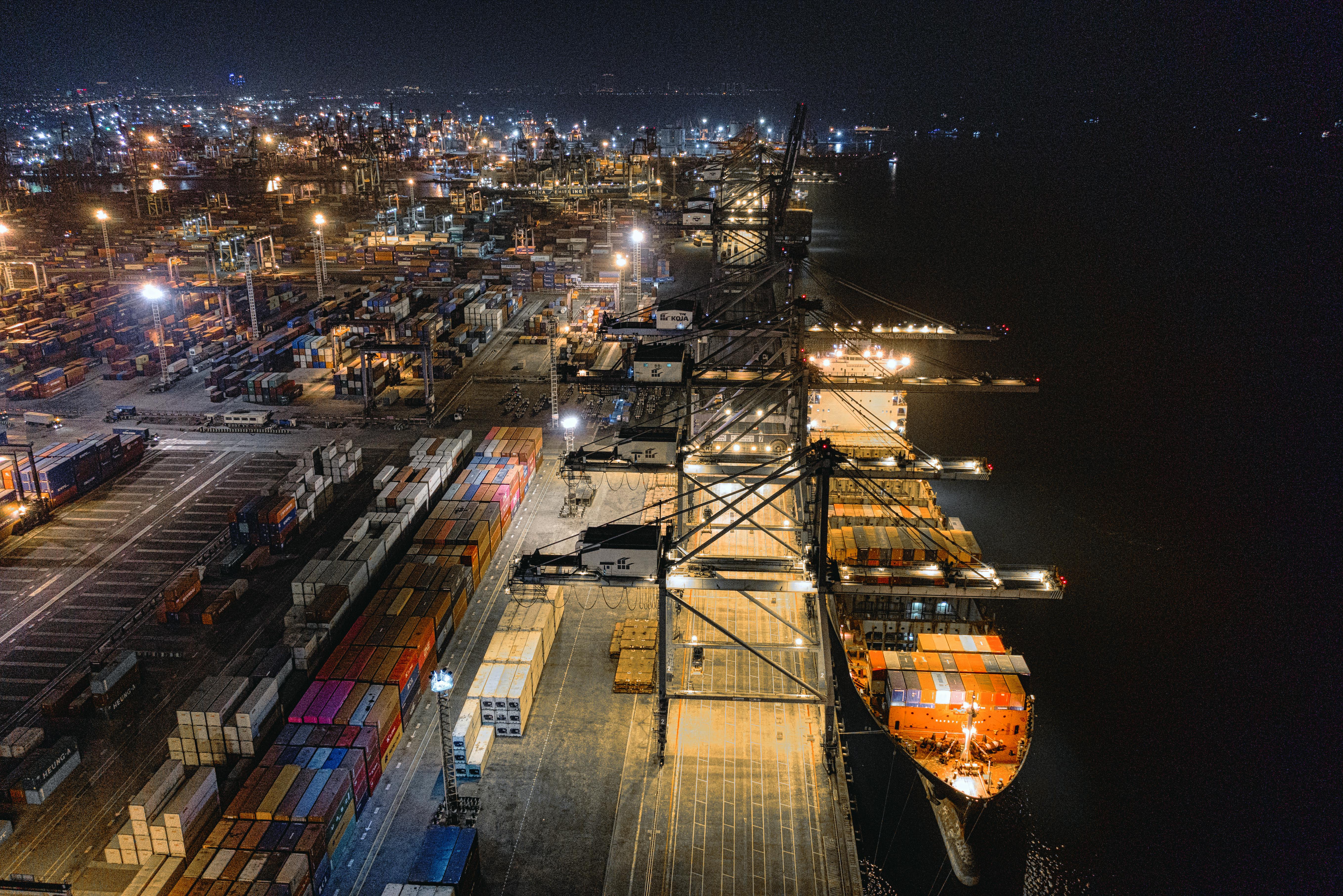
6. Inventory ManagementEfficient inventory management ensures that you have the necessary spare parts and supplies on hand without overstocking. Tips include:
Inventory Software: Use inventory management software to track stock levels and predict future needs.
Critical Spares: Keep an adequate supply of critical spares on board.
Vendor Relationships: Maintain good relationships with suppliers to ensure quick delivery of parts.
7. Documentation and Record-KeepingKeep detailed records of all maintenance activities, inspections, and repairs. This helps in:
Tracking Maintenance History: Understand the history of repairs and maintenance for better decision-making.
Regulatory Compliance: Ensure compliance with maritime regulations and standards.
Warranty Claims: Provide proof of maintenance for warranty claims on equipment.
8. Use of TechnologyLeverage modern technology to enhance maintenance efficiency. Examples include:
Maintenance Software: Implement computer-based maintenance management systems (CMMS) to schedule and track maintenance tasks.
Drones: Use drones for inspecting hard-to-reach areas of the ship.
IoT Sensors: Install IoT sensors for real-time monitoring of equipment condition.
9. Planning for Dry DockingPlan dry-docking schedules in advance to perform extensive maintenance that cannot be done while the ship is in operation. During dry-docking:
Hull Repairs: Inspect and repair the hull, including sandblasting and painting.
Propeller Maintenance: Clean and polish the propeller for better efficiency.
Ballast Tanks: Inspect and maintain ballast tanks to prevent corrosion and ensure stability.
By following these tips, you can ensure that your ship remains in good condition, operates efficiently, and has a longer service life. Regular maintenance not only prevents costly repairs but also enhances the safety and reliability of your vessel.